
All Your Conventional Braces Questions Answered: A Complete Guide
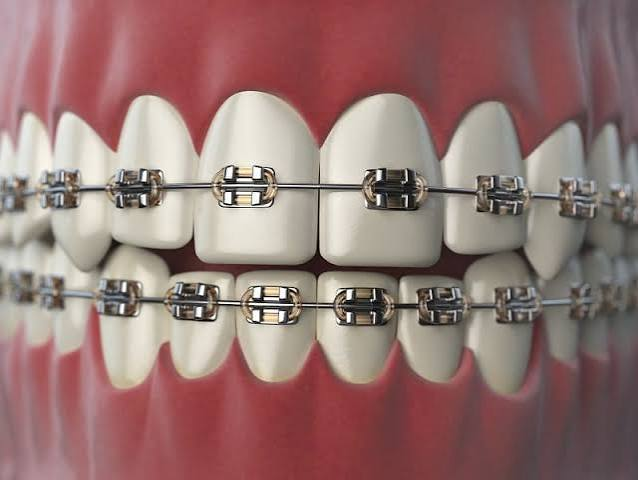
While modern orthodontics offers clear aligners and hidden lingual options, traditional metal braces remain the most reliable and time-tested method for straightening teeth. Conventional braces are highly effective at correcting severe crowding, complex bite issues, and jaw misalignments. If you or your child are preparing for orthodontic treatment, it is completely normal to have questions about the process. Here are upfront answers to the most common questions patients ask about conventional braces.
Do Conventional Braces Hurt?
The initial process of bonding the brackets to your teeth is entirely painless. However, once the archwire is placed and begins applying continuous pressure, you will experience mild soreness and a feeling of tightness. This discomfort typically peaks within the first 24 to 72 hours after placement or subsequent adjustments. You can easily manage this temporary soreness by eating soft foods (like smoothies, soups, and mashed potatoes), rinsing with warm salt water, and taking over-the-counter pain relief if necessary.
How Long Will I Need to Wear Them?
There is no one-size-fits-all timeline for orthodontic treatment. On average, most patients wear conventional braces for 18 to 24 months. However, the exact duration depends heavily on the complexity of your specific misalignment, how far your teeth need to move, and how closely you follow care instructions. Minor cosmetic adjustments can take as little as 12 months, while severe skeletal bite corrections may require closer to three years.
What Foods Do I Need to Avoid?
To prevent bending the archwires or snapping the brackets off your teeth, you must avoid foods that are exceptionally hard, sticky, or chewy. Protecting your dental hardware keeps your treatment timeline on track. Avoid the following items:
- Sticky and Chewy: Chewing gum, caramel, toffee, fudge, and sticky candy.
- Hard and Crunchy: Popcorn (kernels can get trapped under gums), nuts, hard pretzels, and ice blocks.
- Whole Hard Fruits: Apples and raw carrots (unless they are cut into thin, bite-sized slices first).
How Do I Clean My Teeth with Braces?
Maintaining excellent oral hygiene is vital while wearing braces to prevent permanent staining, cavities, and gum inflammation. You should brush your teeth thoroughly after every meal using a soft-bristled toothbrush to clear away trapped food particles. Since traditional dental floss cannot pass through the main wire, you should use specialized tools like floss threaders, tiny interdental brushes, or a water flosser to clean safely between your teeth and underneath the metal hardware.
How Often Will I Need Adjustment Appointments?
You will need to visit your orthodontist every 4 to 8 weeks. During these brief check-ups, the clinical team evaluates your structural progress, replaces the elastic bands, and adjusts or tightens the archwire to keep your teeth moving in the right direction. Missing these routine appointments will delay your progress and prolong your overall time wearing braces.
Conclusion
Conventional braces are an incredible investment in your oral health, facial symmetry, and self-confidence. While adjusting to the dietary restrictions and cleaning routines takes a little bit of time and practice, the reward is a beautiful, healthy, and perfectly aligned smile that will last a lifetime. If you are ready to begin your orthodontic transformation, schedule a comprehensive digital consultation with a certified clinician to chart out your personalized treatment layout.