

New Diagnostic Blood Test Marks Major Progress in the Global Battle Against Sepsis
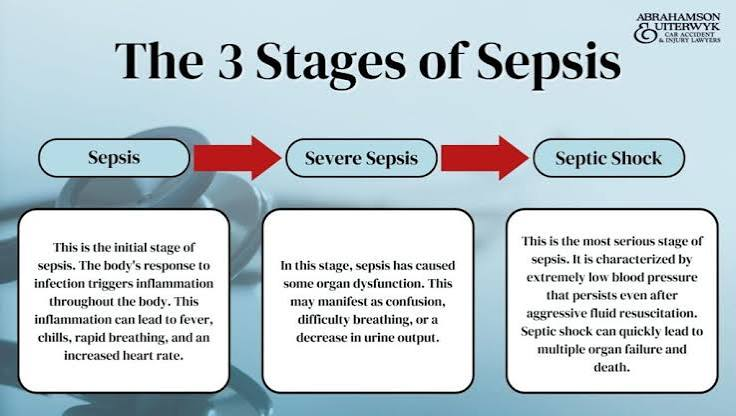
Sepsis remains one of the most critical challenges in modern critical care medicine, accounting for millions of hospital deaths worldwide each year. Characterized by a life-threatening systemic immune response to an infection, sepsis can trigger rapid tissue damage, multi-organ failure, and septic shock within a matter of hours. Because the condition escalates so quickly, survival rates depend entirely on early clinical detection. In a major milestone for emergency diagnostics, a newly engineered blood test has demonstrated remarkable accuracy in identifying pre-sepsis biomarkers long before standard symptoms manifest, offering a powerful new weapon to frontline healthcare providers.
The Challenge of Traditional Sepsis Diagnostics
Historically, diagnosing sepsis has been an uphill race against the clock. Standard protocols rely heavily on broad-spectrum clinical observations—such as fluctuating body temperatures, elevated heart rates, and rapid breathing—combined with traditional blood cultures to isolate the underlying pathogen. However, these physiological signs are often non-specific and mimic other inflammatory conditions. Furthermore, waiting for blood culture results can take anywhere from 24 to 48 hours. In the critical window of sepsis management, where every single hour of delayed antibiotic treatment drops survival rates significantly, this diagnostic latency period can prove fatal.
How the New Biomarker Assay Functions
The breakthrough diagnostic test shifts the focus from identifying the invading pathogen to analyzing the body’s immediate cellular response. Utilizing advanced microfluidic technology and molecular profiling, the blood test measures specific cellular changes and immune-system biomarkers, such as altered white blood cell activation patterns and specific gene expression profiles. By detecting these microscopic metabolic shifts right at the molecular level, the assay can flag a patient’s transition into a hyper-inflammatory septic state in under an hour, providing clinicians with unprecedented diagnostic clarity.
Key Advantages in Clinical Settings
Integrating this accelerated blood test into emergency departments and intensive care units offers several transformative clinical benefits:
- Rapid Turnaround Time: Delivering highly accurate diagnostic metrics in under 60 minutes allows emergency teams to initiate targeted protocols immediately.
- Targeted Antibiotic Stewardship: By confirming a true septic immune response early, physicians can confidently administer powerful intravenous antibiotics to patients who need them, while safely withholding them from non-septic patients to combat global antibiotic resistance.
- Pre-Symptomatic Detection: Clinical validation trials indicate the test can predict a high probability of septic shock hours before visible physical deterioration occurs, giving nursing teams a crucial head start on aggressive fluid resuscitation.
Transforming Frontline Patient Outcomes
For hospital systems, this diagnostic advancement represents a monumental paradigm shift from reactive treatment to proactive intervention. Early trial data shows that deploying rapid biomarker screening significantly shortens a patient’s overall length of stay in the intensive care unit and lowers mechanical ventilation requirements. By equipping medical teams with an objective, definitive diagnostic value early in the triage process, this new blood test addresses the root cause of sepsis mortality: delayed identification. It marks a profound leap forward in safeguarding vulnerable patients and reducing preventable hospital deaths.
Conclusion
The development of this rapid sepsis blood test is a testament to the power of integrating molecular biology with emergency medicine. While further widespread hospital rollouts are underway, the clinical data confirms that this technology will fundamentally reshape critical care triage. By transforming how we identify and intercept systemic infections, this diagnostic progress brings the medical community closer than ever to winning the high-stakes battle against sepsis and saving countless lives on the medical frontlines.